
An Integrated Learning System
QUICK OVERVIEW
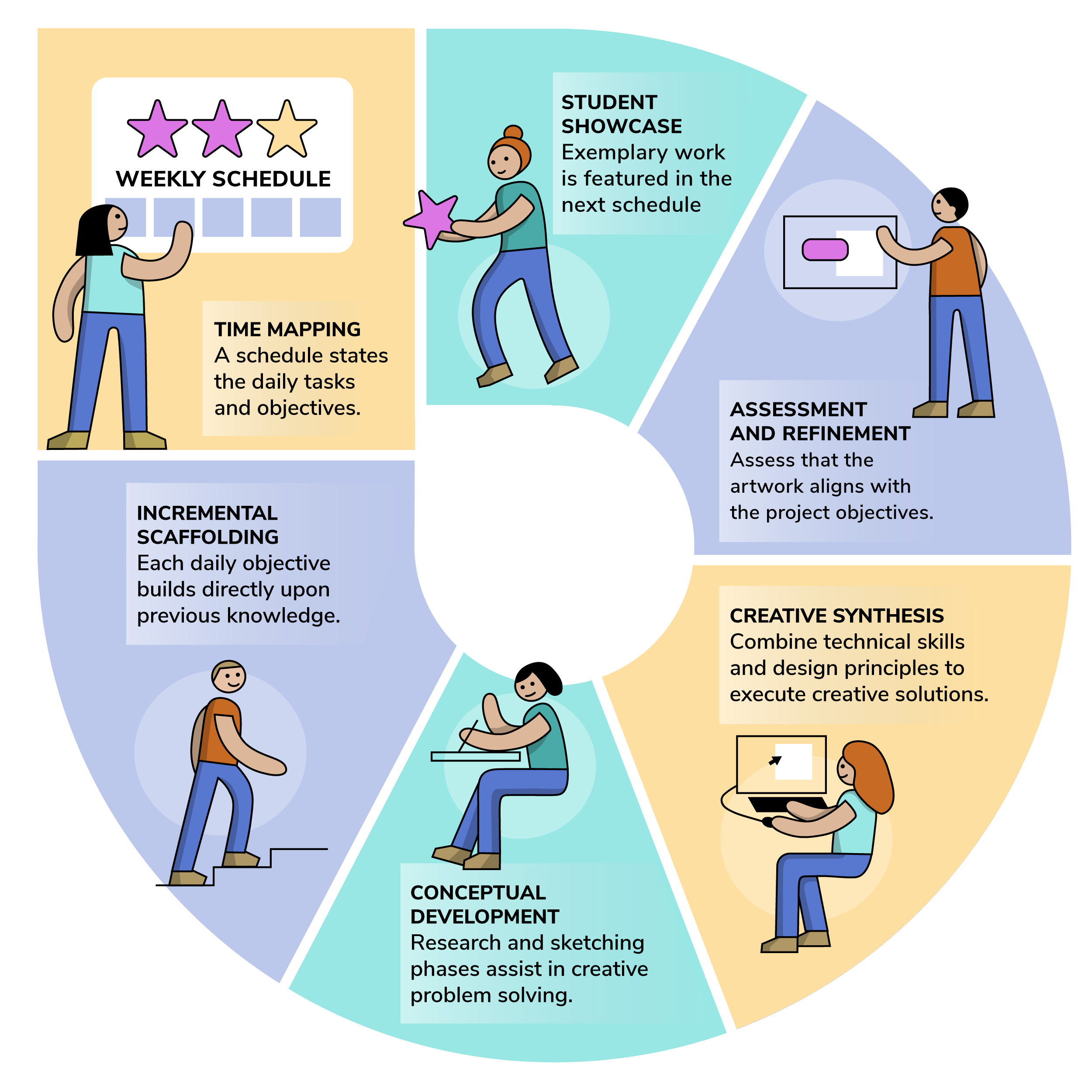
The core of this LMS pathway follows a six-step cycle designed to move students from initial concept to an awards-focused showcase:
Time Mapping
Incremental Scaffolding
Conceptual Development
Creative Synthesis
Assessment and Refinement
Student Showcase
CUSTOMIZED ORGANIZATIONAL USE OF A LMS
I use Google Classroom to connect scheduling, lessons, assessments, and a reward system. This "just-in-time" delivery model transforms a standard learning management tool into a scaffolded system. This provides students with daily objectives focused on technical mastery and creative thinking.
TIME MAPPING
The weekly schedule acts as a visual compass, allowing students to see the connection between daily milestones and the final project goal. This dashboard highlights upcoming slide presentations, daily tasks, and critical deadlines to keep the workflow transparent.
Beyond its logistical function, the roadmap serves as a motivational catalyst. By showcasing student artwork from the previous project directly above the current week's schedule, it establishes a high standard of excellence and celebrates mastery in real-time.
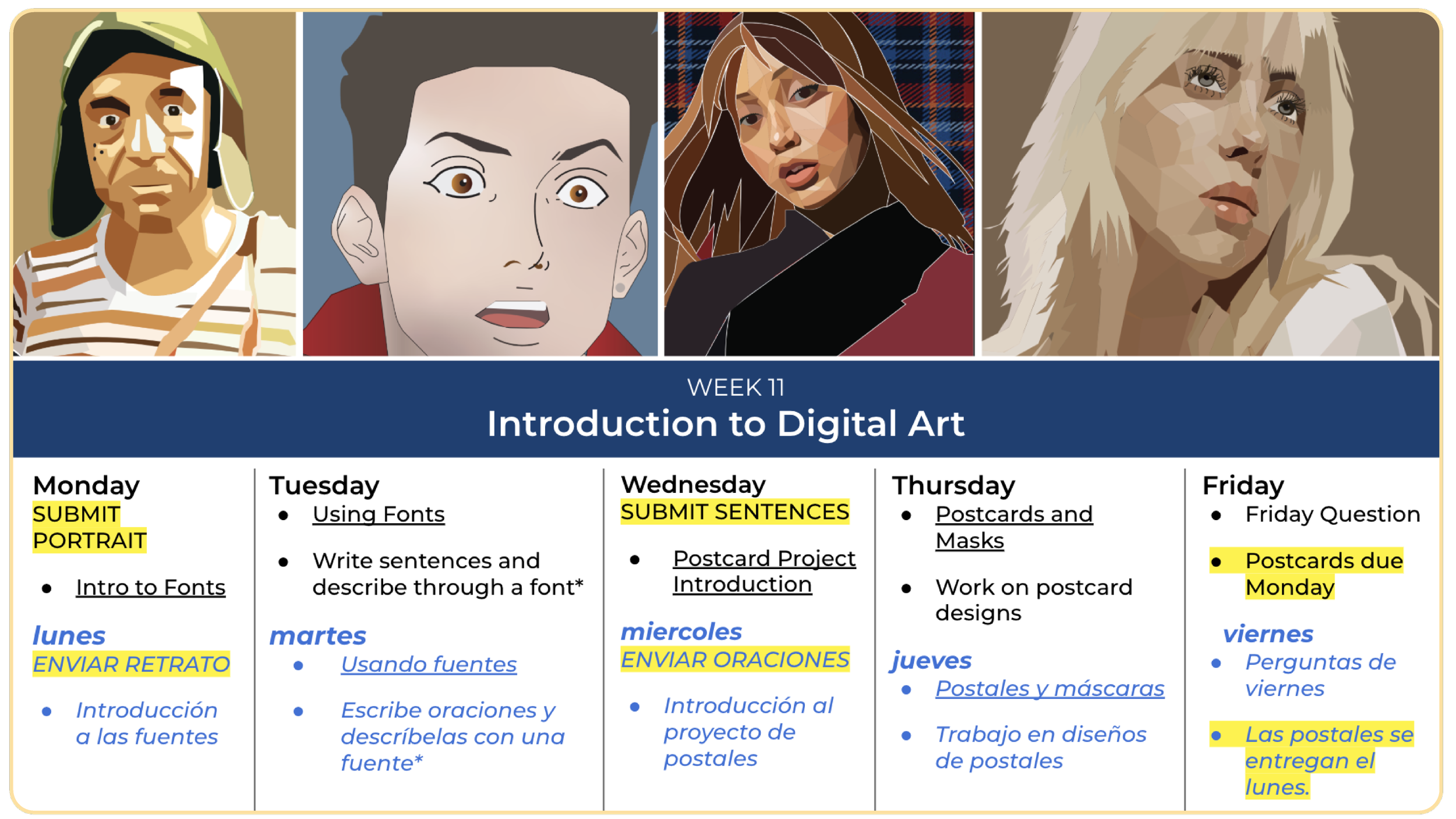
EXAMPLE OF A TWO PART INSTRUCTIONAL SCHEDULE
TOP HALF: A motivational showcase of exemplary student work from the previous week
BOTTOM HALF: A daily "to-do" list to help students manage their weekly progress and advance toward the weekly objective
INCREMENTAL SCAFFOLDING
Technical foundations and visual vocabulary are built intentionally so students gain the confidence to execute their creative visions. To support diverse learning styles, daily slides provide multi-modal resources, including visual diagrams, curated videos, and checklists.
Because a high percentage of the student population are English Language Learners (ELL), comprehensive translations are integrated into all instructional assets. This ensures that language is never a barrier to mastery, allowing every student to engage with the full scope of the curriculum.
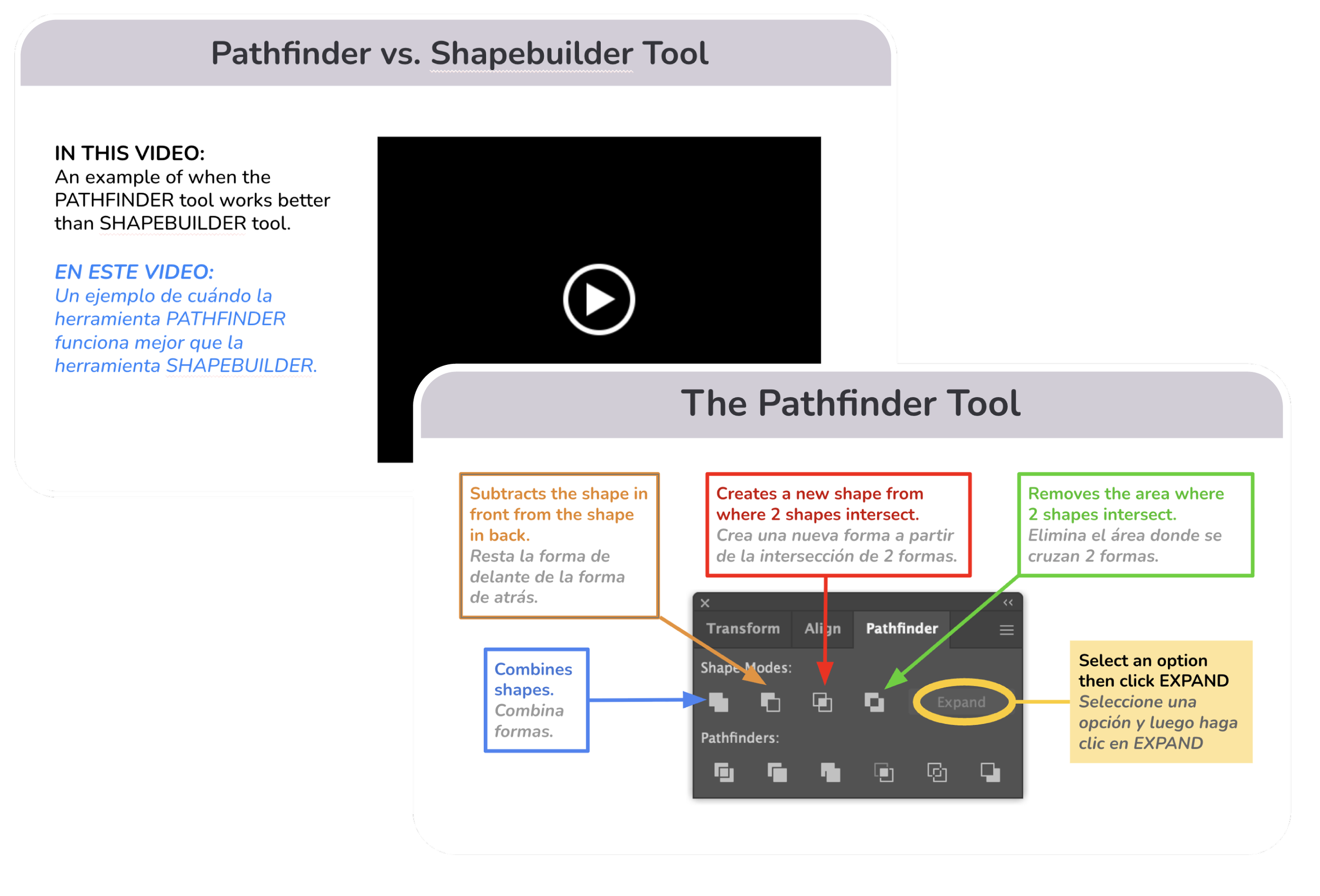
To support diverse learning styles, these slides offer multiple ways to access information through video, diagrams, and language translations.
CONCEPTUAL DEVELOPMENT
Research and ideation begin once students understand the project scope, allowing them to explore diverse visual solutions. To ensure a clear pathway to success, specific technical parameters, such as software tools and design features, are intentionally tethered to these artistic concepts. This phase grounds digital work in original thought, requiring students to plan their direction before moving to the computer.
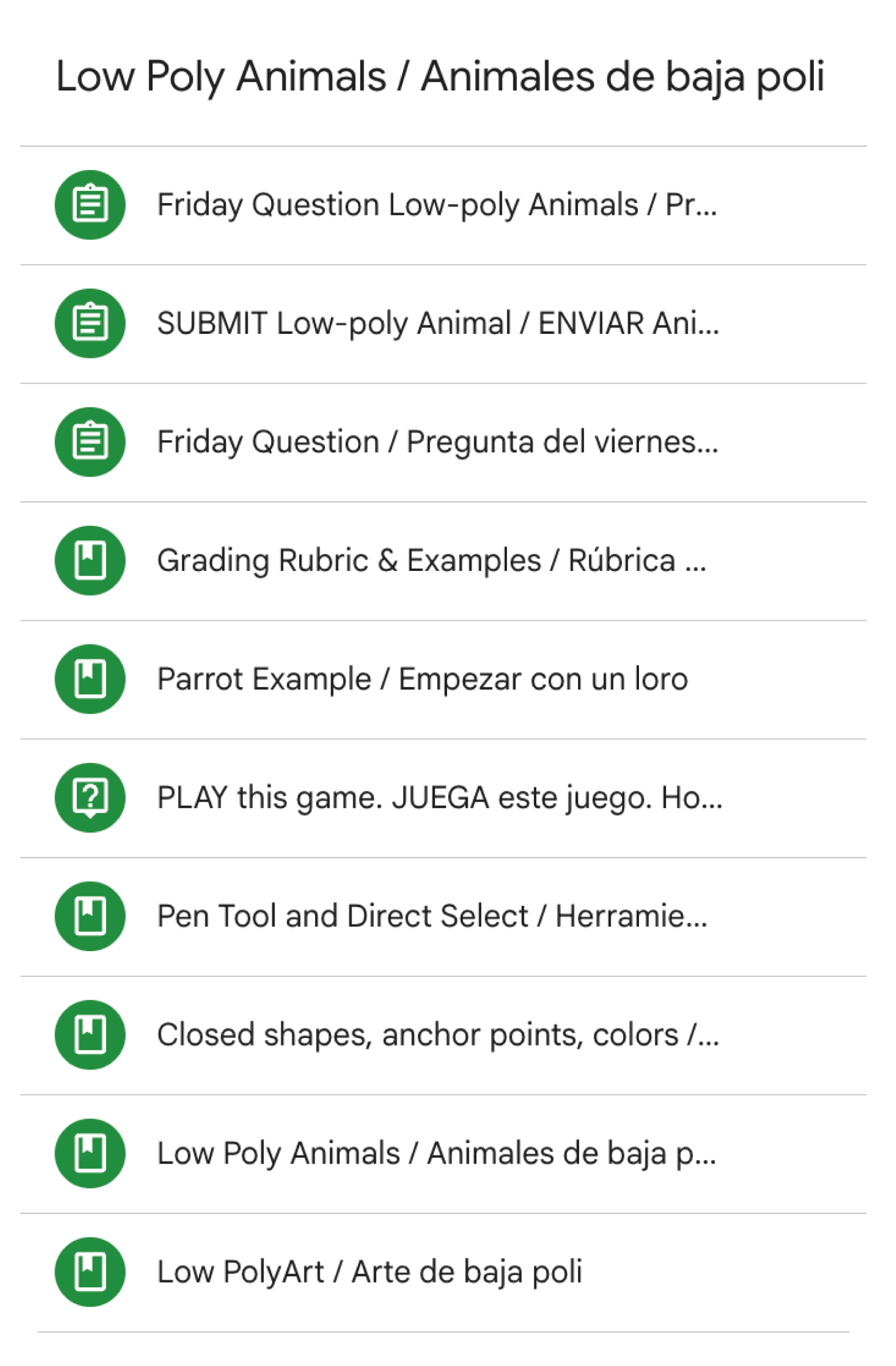
Google Classroom houses all unit materials, which are released strategically to align with the project timeline.
CREATIVE SYNTHESIS
At this stage, creative vision and conceptual thought synthesize with existing knowledge and newly introduced skills. This structured approach empowers students to execute their work using technical strategies that leverage the specific tools and functionalities of professional creative software.
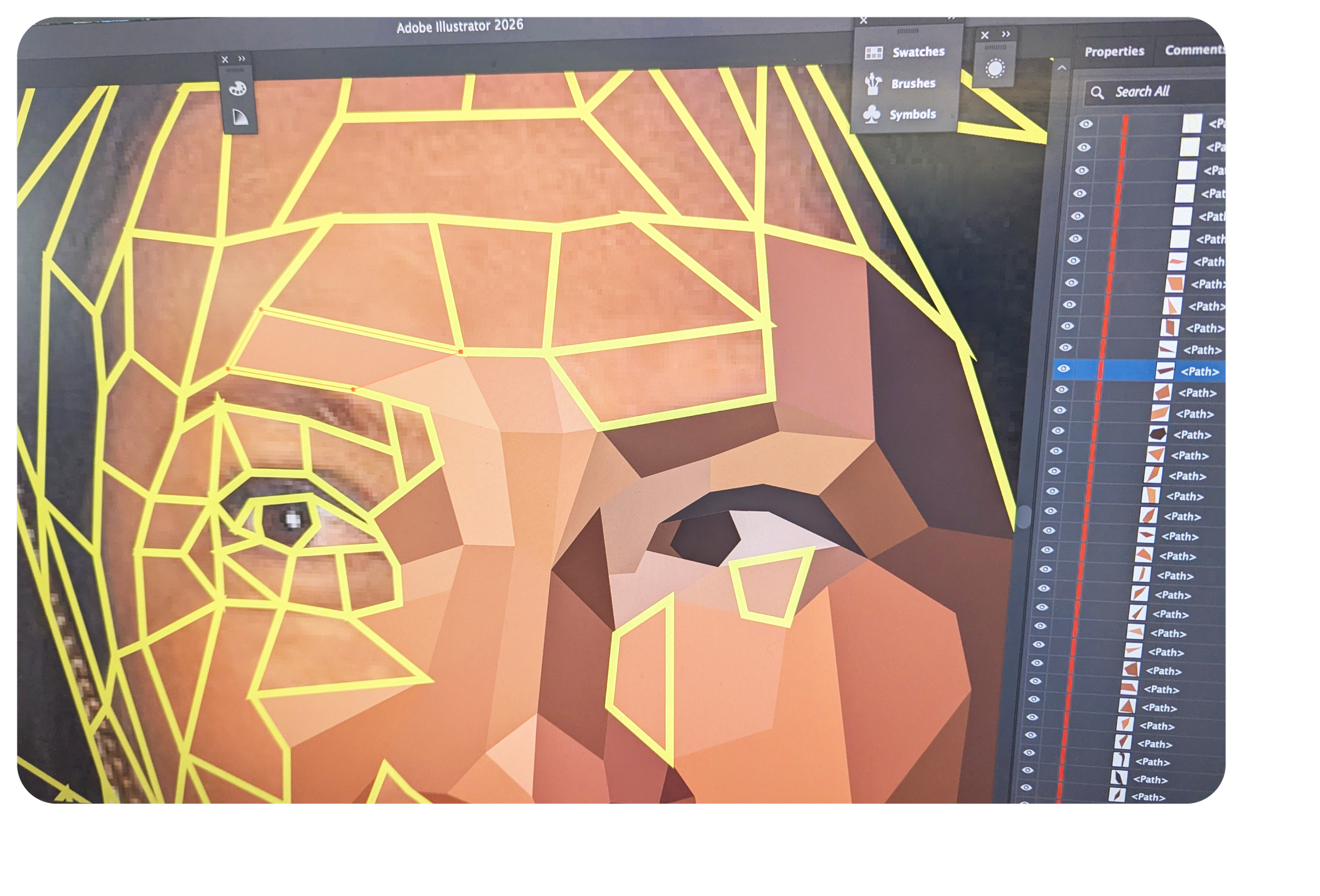
This work-in-progress demonstrates how a student leverages technical skills, strategic thinking and creative knowledge.
ASSESSMENT AND REFINEMENT
As artwork nears completion, students are encouraged to re-examine their progress through peer discussions, technical checklists, and/or rubric self-assessments. This allows students to evaluate and make adjustments before final submission.
Formal assessments are used to measure the synthesis of technical mastery and design logic. By checking for both software proficiency and conceptual depth, this process ensures that the final result reflects a high standard of craftsmanship and a clear understanding of the project's core objectives.
STUDENT SHOWCASE
This is where the system comes full circle. The goal is to help students produce work that reflects their learning, creativity, and individual thought.
The showcase acts as a built-in reward system, celebrating those who have mastered technical skills and applied them to their own vision. By featuring these results, the showcase validates the effort of the design process and highlights the growth achieved from the start of the unit to the final project.